
Sometimes things can happen that make you think: the world has become a terrible place. But I think it’s refreshing to remind yourself that things got really bad a long time ago.
We’re all familiar with some version of the “Ages of Man” from ancient Greek mythology: there was a golden age in which people were happy and free and never aged; then came a silver age worse then the golden; then came bronze, which was worse still; then iron.
In Robert Graves’ retelling of the myth, the golden human beings personally knew the gods, to the extent that Alalcomeneus, the first man, was tutor to Athena and marriage counsellor to Zeus and Hera. That’s how great the first human beings were: made in the gods’ image, they were more or less gods themselves, having powers enough to lend the gods assistance.
Ovid tells us that what characterises the golden age is that people did what was right and just without being forced to do so; there was no need for law. There was also no need for moats and fortifications, city walls, armed guards… What was it allowed this peaceful coexistence? It was the fact that there was plenty to go around. No one could feel any need to fight for land or resources, there being plenty of fruit falling from the trees, clear water to drink… And it was always spring, meaning there was never any bitter cold to shelter from.
Ovid has it that it was the fall of the Titans and the new reign of the Olympian gods that ended the golden age. For some reason, Zeus decided to divide the year into four seasons, which forced human beings to seek places to shelter for part of the year, and created the need to store up supplies to get through the winter months. Demeter had to teach mortals the secrets of agriculture so that they could produce enough food to store away through the unforgiving months.
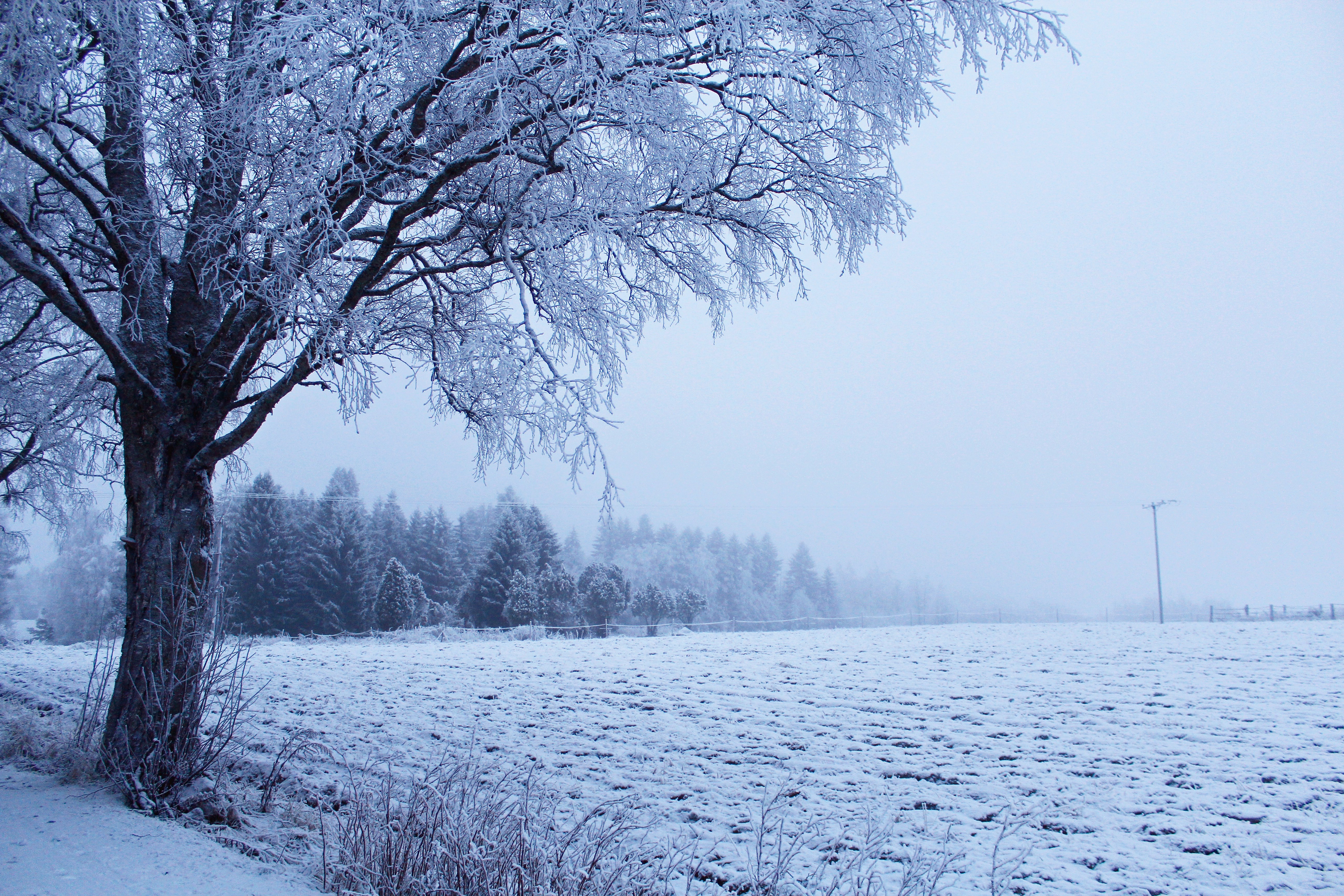
It seems odd that Zeus would just decide to divide up the year and make things worse. Bad PR for Zeus, but perhaps the true story makes him look even shoddier. In truth, the seasons came into being because Zeus allowed his brother, Hades, to kidnap Demeter’s daughter, Persephone, and take her down to Hell. Demeter went to Zeus for help but Zeus pretended not to know where Persephone was, and so Demeter had to search on her own. All the while she searched, she did not attend to her divine duty of making sure the trees produced fruit and that mortals had enough to eat, and that was the first winter on Earth. Too late, Zeus realised he had to step in and help Demeter, else her misery would cause human beings to be wiped out forever.
So Zeus tells her that Hades has Persephone and Demeter goes and gets her daughter back. Only, Persephone is by now enchanted by Hades’ magic, and in love with him, and though she returns to earth with her mother, for half of every year she goes back down to Hell to be with her husband. And all the while Persephone is gone, Demeter mourns and there is winter on Earth.
So winter exists because Zeus allowed his brother to commit a terrible crime, and he tries to spin it to look like it was an executive decision.
In monotheistic religions, believers sometimes like to say that any evil that occurs is part of “God’s plan.” Well we see Zeus is trying to pull that one too, by pretending there is some great divine wisdom behind the concept of winter. But no: he made a mistake. And being the world’s first politician, he’ll never apologise for a mistake.
And since he won’t admit a mistake was made, and instead he’s pretending that winter was a great idea of his, he’ll never try to fix the situation either.
As human beings we’re in the same position now as the gods were back then. We see around us winter: misery, poverty, war… And we pretend that this is somehow the best of all possible worlds rather than a situation we’ve fallen into through a series of cosmic errors. We pretend that wars are justified, and that poverty for half the world is just the way of things. Sound economics, or all part of God’s plan. Instead of making excuses for the winter which we’ve made for ourselves, why not decide it’s time for spring? There’s plenty to go around and there’s never any excuse to provoke violence. But the PR folks will always try to spin it that somehow destruction and scarcity are all for the best.


 Lee Watkins
Which countries are progressive and pretty enlightened? I think Norway and Denmark might be. Maybe there are a few others.
LikeLiked by 1 person
Yeah I often hear good things about Norway and Denmark. I think there are a lot of countries more progressive than the UK and the US, but that’s not saying much!
LikeLiked by 1 person
Hi Lee
We don’t know why winter has such a bad reputation. We love winter, it’s our favourite season. Every winter we leave our mild Norfolk coast for Northern Norway or Sweden. We need the clarity of cold weather and ice and snow.
Nicely retold Greek and Roman mythology.
Wishing you a happy week
The Fab Four of Cley
🙂 🙂 🙂 🙂
LikeLiked by 1 person
Best wishes to you too! I’m glad to hear you’re able to make the best of the season
LikeLiked by 1 person